

Choisissez votre voiture
Produits populaires
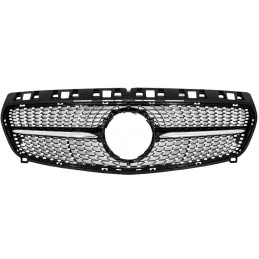
Référence: JMV44357
Marque: Jaimemavoiturexx
Calandre diamant pour Mercedes Classe A W176 2012-2015
Calandre diamant pour Mercedes classe A W176.Pour Mercedes A160 A180 A200 A250 A220 CDI, année 2012 2013 2014 2015.Cette calandre diamant est compatible avec tous modèles (Distronic et non distronic) Classe A PHASE 1 de 2012 à 2015.La calandre diamant est de couleur noire avec barre noire / chrome.Cette calandre est indispensable pour...
Prix 149,90 € Prix de base 249,90 €
Entre 3 et 5 jours sous réserve de stock du côte fournisseurs
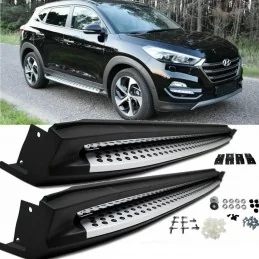
Référence: JMV48609
Marque: Jaimemavoiturexx
Marche pied pour Hyundai Tucson 2015-2020
Paire de marche pied / repose pied pour Hyundai Tucson 2015 2016 2017 2018 2019 2020 2021. Excellent produit. Modèle au look comme d'origine pour un relooking sobre pour votre Tucson
Prix 219,00 € Prix de base 349,00 €
Entre 4 et 6 jours (dernières pièces)
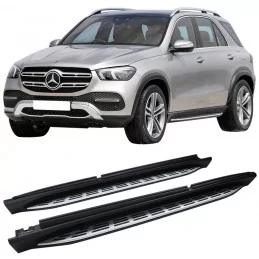
Référence: JMV49466
Marque: Jaimemavoituredr
Marche pied pour Mercedes GLE W167 2019-2024
Kit de marche pied pour Mercedes GLE W167. Modèle 2019 2020 2021. Installation sur les trous d'origine sans modification. Le prix est pour la paire et son kit de fixation.
Prix 349,00 € Prix de base 399,00 €
Entre 6 et 8 jours sous réserve du stock fournisseur
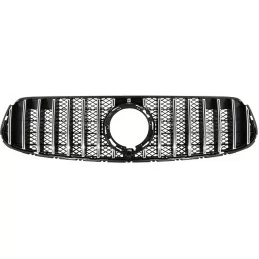
Référence: JMV49494
Marque: Jaimemavoiturewang
Calandre PANAMERICANA GT pour Mercedes GLC 2019-2022 AMG
Calandre GT pour Mercedes GLC - Modèle après 2019. Avec barres verticales chromes et grilles nid d'abeille à l'arrière. Super look sportif garanti ! Livré sans le logo central. Compatible avec la caméra avant. Pour GLC 200 / GLC 220 / GLC 250 / GLC 300 / GLC 350. COMPATIBILITÉ: Cette calandre GT est compatible avec le modèle AMG Line. Elle n'est pas...
Prix 199,90 € Prix de base 299,90 €
Entre 4 et 6 jours (dernières pièces)
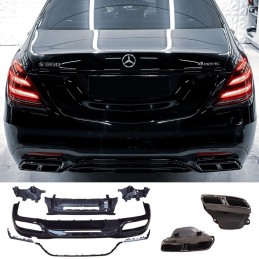
Référence: JMV52738
Marque: Jaimemavoituregpt
Diffuseur look AMG S65 pour Mercedes S350 S450 S500 S600 W222 2017-2020
 0 avis
 Diffuseur pour Mercedes classe S Compatible S350 S450 S500 S600 W222 Donne le look S65 AMG. Ce kit diffuseur SPORT look S65 AMG avec embouts d’échappement NOIRS Compatible modèle AMG W222 PHASE 2, fabriqué entre 2017 et 2020. Non compatible avec le modèle PHASE 1. Le diffuseur est en plastique noir verni.
Prix 499,00 €
Entre 6 et 8 jours sous réserve du stock fournisseur
Tout équipement pour votre voiture : tuning, accessoire et pièce détachée
Des pièces pour la réparation standard
Sur notre site jaimemavoiture, vous trouverez de nombreuses pièces de carrosserie pour réparer votre auto.
Nous avons en effet, sélectionné les pièces essentielles telles que le capot, le pare-chocs avant, le pare-chocs arrière, les rétroviseurs, ou encore les phares avants et les feux arrières.
Ces pièces sont généralement des pièces appelées "adaptables". Ce sont des génériques identiques à l'origine, mais à des prix bien inférieurs, allant jusqu'à -70% du prix d'origine.
Ces pièces sont des pièces de type adaptable, interchangeables avec la pièce d'origine constructeur.
Des accessoires pour personnaliser et relooker
Relookez, rajeunissez ou personnalisez votre voiture avec nos nombreux produits et équipements de voiture.
Vous retrouverez les calandres, les becquets, les pare-chocs, les phares à led, les feux xénons, etc.
Nous vous proposons une sélection des meilleurs kits carrosseries (pare-chocs avant et arrière, bas de caisse).
Des pièces adaptables pour BMW pack M, 1M, M2, M3, ou M5, et aussi des pièces adaptables pour Mercedes AMG.
Tous les produits pour "remonter" votre voiture en version plus sportive se trouvent ici !
Pour les SUV et les 4x4, vous trouverez les accessoires indispensables tels que les marches pieds, le pare-buffle, les barres de toit, ou encore les protections latérales, à l'avant et aussi à l'arrière.
Expédition depuis l'Europe
Tous nos produits sont stockés et expédiés depuis l'Europe.
Bénéficiez donc d'une expertise à la pointe, avec notre service client français, anglais, espagnol et arabe !
Jaimemavoiture.fr est également disponible en langue espagnole, anglaise et allemande.
Des produits innovants toute l'année
Notre catalogue est renouvelé en permanence grâce à nos usines partenaires sélectionnées avec le plus strict des critères afin de vous garantir les meilleurs produits.
N'hésitez donc à rajouter notre site dans vos favoris, ou à nous envoyer votre demande de pièces par mail.
Jaimemavoiture, c'est un large choix de feux arrières, d'aileron, d'accessoires chromes, tapis de voiture, et bien plus !
Vous aurez également accès à toutes les pièces de carrosserie : capot, aile, rétroviseur, pare-chocs, etc.
Un service client à votre disposition
Vous avez besoin de renseignements ? De plus d'informations concernant un ou des produits ?
Nos conseillers sont accessibles par mail, téléphone, mais aussi par notre service Tchat Live, et WhatsApp !
Vous trouverez ainsi toutes nos dernières actualités sur notre blog, ou notre page Facebook.


